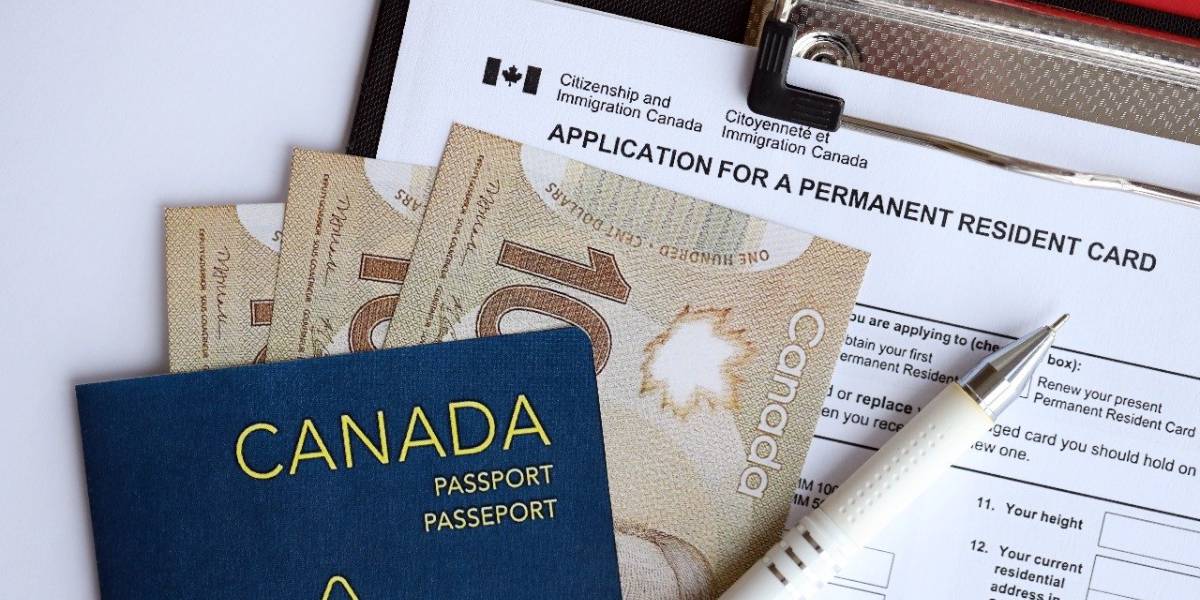

In February 2026, Canada issued 25,722 invitations to apply for permanent residence (PR).
Yes, even though Canada has reduced its overall immigration targets for 2026–2028, the number of invitations last month shows that there are still many opportunities.
The key difference now is simple:
Canada is inviting people in specific priority categories.
Let’s understand what really happened.
Where Did the 25,722 Invitations Go?
Here’s how the invitations were divided:
- Express Entry – 19,593 invitations (76%)
- Ontario PNP (OINP) – 3,229 (13%)
- Alberta PNP (AAIP) – 1,376 (5%)
- BC PNP – 889 (3%)
- New Brunswick PNP – 526 (2%)
- PEI PNP – 109 (<1%)
Total: 25,722 PR invitations
So most invitations were through Express Entry, but provinces were also very active.
Express Entry Was Extremely Active
IRCC conducted six Express Entry draws in February.
In total: 19,593 invitations.
There were even four draws in just one week (February 16–20).
Here are the highlights:
French-Language Draw (February 6)
- 8,500 invitations
- CRS score: 400
This was the largest draw of the month.
It shows Canada strongly wants French-speaking immigrants.
Canadian Experience Class (February 17)
- 6,000 invitations
- CRS: 508
This targeted people already working in Canada.
Healthcare Draw (February 20)
- 4,000 invitations
- CRS: 467
- 37 healthcare occupations are eligible
Canada clearly needs healthcare workers.
Physicians Draw (February 19)
- 391 invitations
- CRS: 169
This was one of the lowest CRS scores ever in Express Entry history.
It shows how urgently Canada needs doctors.
Ontario Sent 3,229 Invitations
Ontario was the most active province in February.
Total invitations: 3,229
Here’s where they went:
- Skilled Trades (77 occupations) – 1,404
- Healthcare & Early Childhood Educators – 1,649
- Physicians – 129
- Regional (REDI Pilot) – 47
Ontario targeted:
- Electricians
- Plumbers
- Welders
- Carpenters
- Registered nurses
- Nurse aides
- Early childhood educators
- Doctors
If you work in these occupations, Ontario is clearly interested.
Alberta Sent 1,376 Invitations
Alberta held 7 separate draws.
The largest draw was:
Alberta Opportunity Stream (February 2)
- 915 invitations
- Score: 57
Other targeted sectors included:
- Rural Renewal
- Tech (Accelerated Tech Pathway)
- Construction
- Manufacturing
- Agriculture
- Law Enforcement
Alberta prefers smaller, targeted draws to fill specific labour gaps.
British Columbia Sent 889 Invitations
BC was more selective.
Instead of large numbers, BC targeted:
- High-wage earners
- High-scoring candidates
Examples:
February 11: 460 invitations
- $62/hour + $125,000/year OR score 135+
February 4: 429 invitations
- $70/hour + $145,000/year OR score 138+
BC wants candidates who bring a strong economic impact.
Atlantic Canada Sent 635 Invitations
New Brunswick and PEI were also active.
New Brunswick
- Skilled Worker (Healthcare): 196
- Express Entry: 170
- Francophone Strategic: 160
PEI
- Labour + Express Entry: 109
Atlantic provinces often have less competition compared to larger provinces.
What Does This Mean for Your PR Strategy?
The biggest message from February 2026 is this:
Targeted selection is the new normal.
Canada is not doing many general draws anymore.
Instead, it is focusing on:
- Healthcare workers
- French speakers
- People with Canadian work experience
- Provincial nominees
If you fit into one of these categories, your chances are strong.
If You Fit in These Categories, Act Fast
- Have French skills? Take TEF or TCF. CRS 400 is achievable.
- Work in healthcare? Check if your NOC matches the 37 eligible occupations.
- Are you a doctor in Canada? CRS 169 shows you may get invited easily.
- Have Canadian experience? CEC draws at 508 are rewarding you.
- CRS below 500? Apply to multiple PNP programs.
Ontario and Alberta were very active this month.
How to Improve Your PR Chances
Here’s a simple plan:
- Check if you qualify for healthcare, trades, or the STEM category draws
- Invest in French language testing; it currently gives one of the highest returns
- Consider moving to provinces like Ontario, Alberta, or BC if your occupation is in demand
- Try to gain Canadian work experience if possible
Important: After You Receive an Invitation
You usually have 60 days to submit your full PR application.
If you get a provincial nomination:
- You receive 600 extra CRS points
- You still must pass medical, criminal, and security checks
Provincial nomination does not automatically guarantee PR approval, but approval rates are very high (around 80–90%).
Final Thoughts
Even with reduced immigration targets, Canada issued 25,722 PR invitations in one month.
The opportunity is still there, but you must position yourself strategically.
In February 2026, the biggest winners were:
- Healthcare workers
- French speakers
- Candidates with Canadian experience
- Provincial nominees
If your profile aligns with these priorities, your path to PR remains strong.
The key is simple:
Understand the pattern.
Improve your profile in the right direction.
And act quickly.